The Champagne Harvest in Epernay: Dates, Tours and What You See
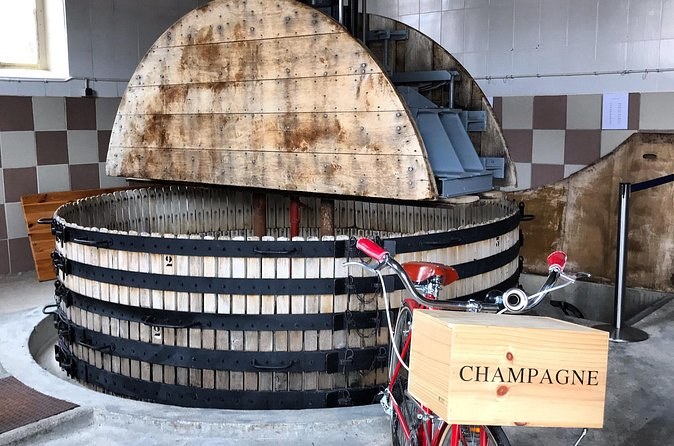
In 2026 the champagne harvest around Epernay opened in mid-August, weeks ahead of the "typical" September. The dates are set village by village and grape by grape. This guide gives the dates for the villages the tours visit, what you see in the vines, and which Epernay guided tours put you out there longest.
When did the 2026 harvest start?
In August. The Comité Champagne published the 2026 opening dates on 12 August 2026. Picking opened in Epernay on 17 August, for all three grape varieties. In Hautvillers it opened on 15 August, and in Aÿ and the Côte des Blancs villages on 14 August.
Here are the dates for the villages the tours visit, from the Comité's sheet for the Marne.
| Village | Chardonnay | Pinot noir | Meunier |
|---|---|---|---|
| Cumières | 13 August | 13 August | 13 August |
| Aÿ | 14 August | 14 August | 14 August |
| Mareuil-sur-Aÿ | 14 August | 14 August | 14 August |
| Mutigny | 14 August | 14 August | 14 August |
| Avenay-Val-d'Or | 14 August | 14 August | 14 August |
| Chouilly | 14 August | 14 August | 14 August |
| Cramant | 14 August | No date | 14 August |
| Oger | 14 August | 14 August | 14 August |
| Le Mesnil-sur-Oger | 14 August | 14 August | No date |
| Hautvillers | 15 August | 15 August | 15 August |
| Epernay | 17 August | 17 August | 17 August |
| Pierry | 17 August | 17 August | 17 August |
| Dizy | 17 August | 17 August | 17 August |
"No date" means the sheet sets none for that variety in that village. The Comité publishes opening dates only, not closing ones, so ask your guide how far picking has got in the week you visit.
Why do the dates change every year?
Because they follow the vines, not the calendar. Picking begins about 90 days after full flowering, and a warm spring brings flowering forward. That is why champagne.fr describes the harvest as typically in September, while 2026 opened in August.
The dates are set for each village and each grape variety. Two villages a few kilometres apart can open days apart, as Cumières and Dizy did in 2026.
Which grapes are picked around Epernay?
Three varieties make almost all champagne. Across the appellation's 34,200 hectares and 319 villages, Pinot Noir covers 38% of the vines, Chardonnay 32% and Meunier 30%, by the Comité Champagne's 2025 figures.
The Comité sets a date for each variety that a village grows, and the sheet shows where one is missing. In 2026 Cramant has dates for Chardonnay and Meunier but none for Pinot noir, and Le Mesnil-sur-Oger none for Meunier. Most villages the tours visit opened all three on the same day.
At the table, ask which grapes went into the blend you are tasting. A white champagne can come from black grapes: pressed slowly as whole bunches, their skins have no time to colour the juice.
Which villages do the tours visit at harvest time?
Most of them opened within a day of each other in 2026, so from 17 August picking was open in every village below. Here is where each tour goes:
- Hautvillers, opened 15 August: the afternoon with lunch, the Bubble tour, both private half days, the vintage van, the e-bike day and the Impériale bus.
- Aÿ, opened 14 August: the afternoon with lunch, the Must-sees and the vintage van.
- Mareuil-sur-Aÿ, opened 14 August: the Must-sees, and the e-bike day's family domain, Le Clos Corbier.
- Oger and Cramant, opened 14 August: the Bubble tour and the Connoisseurs, on the Côte des Blancs.
- Chouilly, opened 14 August: the Impériale bus passes it on the way to Cramant.
Epernay itself opened three days later, on 17 August, along with Pierry, where Vollereaux has its cellar.
What do you see in the vineyards?
People. Champagne is one of the few wine regions still harvested entirely by hand, because hand picking is the only way to bring bunches in whole and undamaged. The rules say the bunches must reach the pressing centre whole.
So in harvest season the slopes around Aÿ, Hautvillers and the Côte des Blancs fill with teams of pickers. Through the rest of the year most vineyard work is done by hand too, several hundred hours of it per hectare.
In the villages you may also see the presses at work, as the grapes arrive.
Do tours still run during the harvest?
None of the listings names the harvest as a closure. What changes is what you see from the van or the bike: the vines busy instead of empty, and the villages full of pickers.
The houses keep their usual calendars through August and September. If weather turns, the e-bike day switches to a people carrier and the vintage van tastes whatever the weather.
Can visitors pick grapes?
Not on a tour. No tour here offers picking, and the harvest is paid seasonal work done to a schedule. What you can do is watch from the edge of the vines, photograph the teams and taste last year's work at the table.
If you want to be close to it, choose a tour that spends time among the vines rather than one that goes from cellar to cellar.
Which tours spend the most time in the vines?
- The e-bike day: about three hours riding the slopes above Aÿ, then lunch at a family domain, $218 per person.
- The jeep: 2 hours 15 in the vineyards, $229 for up to three.
- The Impériale bus: 2 to 3 hours on the tourist route with stops in the vines, $1,521 for up to 15.
- The Must-sees: an hour and a half in Hautvillers and its vineyards, then Aÿ and Mareuil-sur-Aÿ, $298 per person, two minimum.
- The vintage van: half an hour of tasting among the vines, $57 per person.
The Epernay vineyard tours page compares the rides in full.
Are the houses open at harvest time?
Yes. Moët & Chandon opens every day, 9:30 to 17:00. Mercier opens daily until 15 November, and Nicolas Feuillatte every day, by booking only.
In September, the European Heritage Days fall on 19 and 20 September 2026. de Castellane, whose cellars are temporarily closed, opens for a heritage visit at EUR 35 on those two days.
What is the weather like in August and September?
Warm, then mild. At Météo-France's Mailly-CIVC vineyard station, 15 km north of Epernay, the average high is 24.5 °C in August and 20.2 °C in September. The average low is 14.1 °C and 11.1 °C.
Rain falls on about 8 days in August and 8 in September, 62.7 mm and 55.5 mm on average. Bring a light layer for the evening and for the cellars, which stay at 10 to 12 °C.
What does a harvest-season day look like?
Here is one way to spend it, built around the vines rather than the cellars.
- 9:35 am: the e-bike day leaves the Epernay tourist office. You collect an electric bike and a helmet at Le Clos Corbier and ride the slopes above Aÿ, with half an hour in Hautvillers.
- Midday: a tour of the family domain's cellar, then lunch of regional dishes with two champagnes, a red wine and a ratafia.
- 3:15 pm: back at the tourist office. Walk the Avenue de Champagne, past the houses whose grapes are coming in from the same slopes.
- Late afternoon: the museum at Château Perrier stays open until 19:00 from April to October, except on Tuesdays, and entry is EUR 10.
Staying in Reims instead? France Intense's day leaves the Reims station tourist office at 9:20 am for three family estates, nine glasses and lunch, with a stop in Hautvillers and a drive along the avenue in Epernay.
For a slower day, the one day in Epernay guide sets out three more plans hour by hour, and each works in harvest season.
What should you book early?
The small-group tours, because each takes eight people at most, and the jeep, which takes three. A full van does not add a seat for you.
Booking early costs you little. Every tour here refunds in full up to 24 hours ahead, except the Moët & Chandon day on foot, which cannot be refunded. The Epernay champagne tour prices guide lists each fare's rules.
What happens after the harvest?
Patience. The pressed juice ferments into still wine, is blended, and goes into bottle for the second fermentation that makes the bubbles. A non-vintage champagne then ages at least 15 months in the cellar, and a vintage at least three years.
So the grapes you watch picked this summer will not be poured for well over a year. What you taste instead is the work of earlier harvests, from the same slopes.
Frequently asked questions
When is the champagne harvest in Epernay?
When are the harvest dates published?
Can visitors pick grapes during the harvest?
What is the weather like at harvest time?
Is a vineyard tour worth it if I have seen a cellar?
What should I wear in the cellars?
Tours out in the vines at harvest time
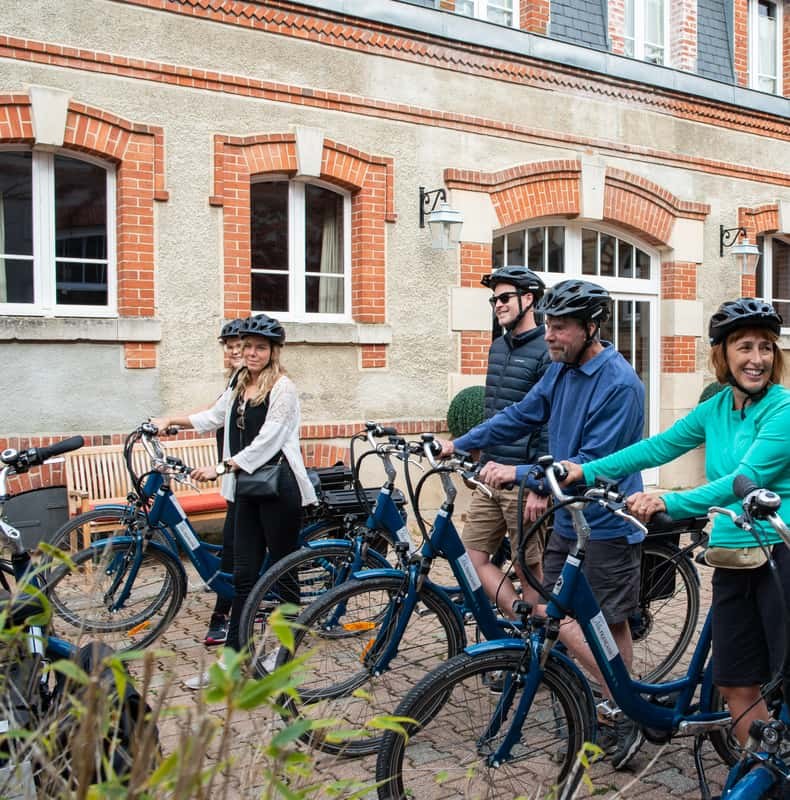
Champagne: E-Bike Champagne Day Tour with Tastings and Lunch
Five hours on an electric bike through the vines above Aÿ, with lunch, two champagnes, a red wine and a ratafia at a family domain. From 9:35 am in town.
From $218 per person
Check Availability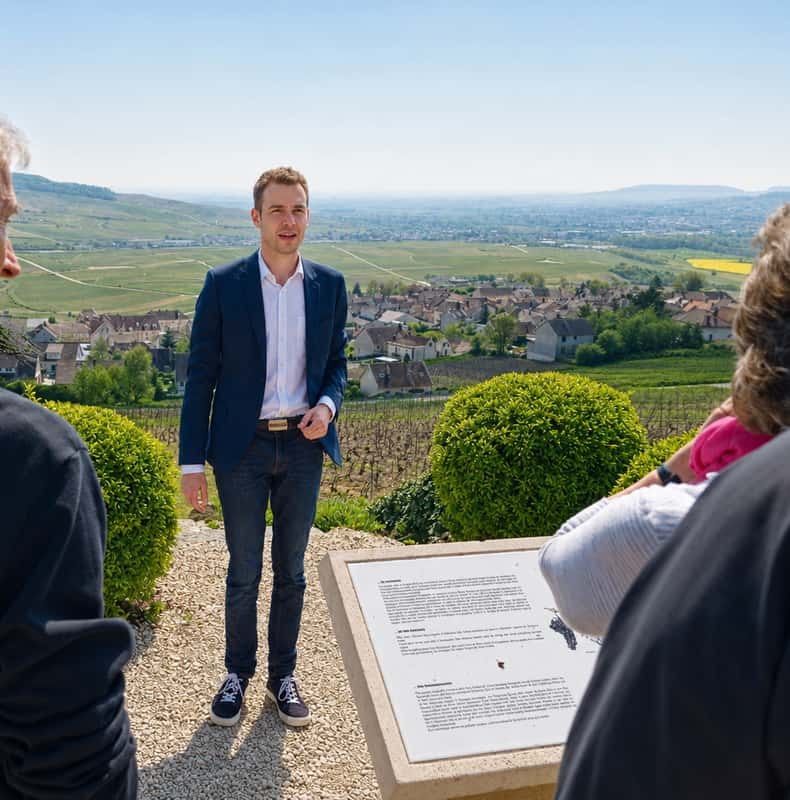
From Reims: Champagne Day Trip to 3 Family Domains & Lunch
A full day from the Reims station at 9:20 am: three family estates, nine glasses and lunch at a local restaurant, with a drive along the Epernay avenue.
From $292 per person
Check Availability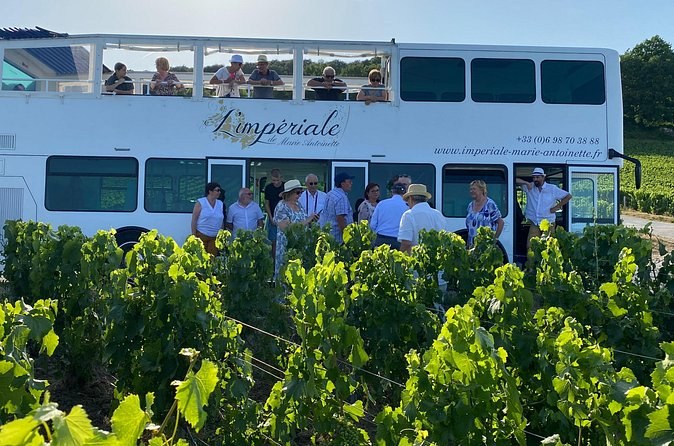
Private Tour of Epernay and Vineyards by Bus with Champagne
An open-top double-decker for your group of up to 15, two or three hours in the vines with three sabered bottles and soft drinks for the children.
From $1,521 per group, up to 15
Check AvailabilityNext: pick a harvest-season date, then compare every fare on Epernay Tours.